NUTRITION & DIETS
Snacking Time is to Enjoy Eating & Learn
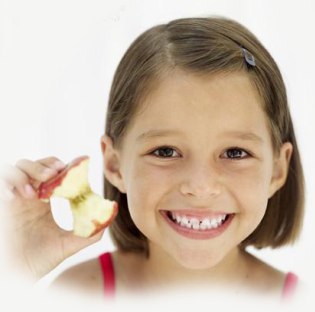 Everybody snacks! Snacks can be fun and healthy, it just depends on what foods you choose! Everybody snacks! Snacks can be fun and healthy, it just depends on what foods you choose!
Children are growing and developing rapidly. Active children have an increased need for energy as well as other essential nutrients, but they have small stomachs. They need to eat a lot, but have difficulty eating a lot at one time.
Healthy snacks provide kids with the nutrients and energy they need to grow, play, and learn!
If children get too hungry, they may become cranky or find it difficult to concentrate on the task at hand. Healthy snacks help to bridge the gap between meals. If you give a snack less than an hour before a meal, it can cut your child’s appetite. Snacks are ideal 1 ½ to 2 hours before the next meal and is good idea to offer a regular snack in the middle of the morning and again in the middle of the afternoon. Healthy snacks also can round out the diet, helping to ensure that children are getting all of the nutrients they need to fuel their growth and development.
Certain foods may cause choking in younger children. Avoid the risk!
Avoid foods that are known choking hazards:
- Raw vegetables
- Raisins and dried fruits to children under 3
- Quarters hot dogs (unless cut into small bits)
- Slice grape, cherries and tomatoes in half
- Hard candies, including jelly beans
- Nuts or peanuts
- Popcorn
- Raw carrots, celery, green beans, or any hard vegetable
- Seeds (such as pumpkin seeds or sunflower seeds)
- Large chunks of any food such as meat or potatoes
- Large chunks of peanut butter — always use the creamy kind, and spread it thinly onto a cracker or toast. Never give a heaping spoonful of peanut butter to a toddler.
When planning snacks Try to avoid junk food and foods with too much added sugar and salt. Learning to eat and enjoy healthy snacks will encourage your children to develop healthy eating habits, both for now and for the future.
A good snack is nutrient dense. Six nutrients are needed to maintain a growing and healthy body: carbohydrates, protein, fat, minerals, vitamins and water.
Plan ahead for quick and easy snacks!
Set aside a “snack spot” in the refrigerator and cupboard; keep it stocked with nutritious ready-to-eat snacks. Keep foods on hand from each of the five food groups found on the Food Guide Pyramid.
Breads, cereals and grains provide carbohydrates , B vitamins and fiber. Foods in this group fuel growth and provide children with energy to run and play.
The fruit and vegetable groups provide vitamins such as A and C, carbohydrates and fiber. Do your children meet the goal of five servings of fruits and vegetables each day? Snack time is a great time to slip in a fruit or vegetable serving.
If your child is too hungry to wait for dinner, try giving them some part of the meal like milk, bread or salad.
Snacks with protein will keep you child from getting hungry again soon.
Protein foods are foods like milk, cheese, yogurt, peanut butter, meats, fish, chicken, nuts, dried cooked beans and egg.
Milk and dairy foods also provide calcium, riboflavin, vitamins A and D and meats, fish and poultry also provide iron.
Mix and match the nutrients at snack time by teaching your children to choose snacks that feature foods from at least two different levels of the food pyramid. And, strive for a variety in nutrients.
To help your children choose healthy snacks, play with them! Make color charts with lists of foods within each food group category. Think of a question for healthy choices to answer! Use pictures or words, depending on the ages of your children. Teach the children to select foods from two different charts when choosing their snack. Never offer food as a reward for good behavior.
You can save time and promote enthusiasm for eating healthy snacks by including the children in planning and shopping for foods that will become their snacks
When shopping, pick up a variety of healthy and quick-to-fix foods from each group and let the children do the shopping helping themselves from the healthy choices that are available for them.
Many snacks are simple and the children can even help prepare them! Most important, relax and enjoy snack time. Children eat best when surroundings are calm and pleasant.
To help your children choose healthy snacks, play with them! Make color charts with lists of foods within each food group category. Think of a question for healthy choices to answer! Use pictures or words, depending on the ages of your children. Teach the children to select foods from two different charts when choosing their snack. Never offer food as a reward for good behavior.
You can save time and promote enthusiasm for eating healthy snacks by including the children in planning and shopping for foods that will become their snacks
When shopping, pick up a variety of healthy and quick-to-fix foods from each group and let the children do the shopping helping themselves from the healthy choices that are available for them.
Many snacks are simple and the children can even help prepare them! Most important, relax and enjoy snack time. Children eat best when surroundings are calm and pleasant.
|
