Road Safety
There is an
increased incidence of car accidents and injuries to children during the holiday
season. Parents have to make sure the kids are buckled up securely during car
rides and by not driving after drinking alcohol. In addition, be wary when
traveling during the evenings of holidays such as Christmas Eve and New Year's
Eve, since there is a higher incidence of drunk driving accidents on these days.
To avoid hazards and be safer on the roads, drivers should always follow
these safety basics.
Safety Basics:
Wear your seat belt
Even if you're just driving up the street to pick up your friend, always wear
your seat belt. Statistics show that seatbelts save lives. Airbags alone won't
save your life in the event of a serious crash.
Stay calm
It's easy to become angry and frustrated when another driver cuts you
off or with the delay cause by the traffic. Angry driving can cost you your life.
So slow down and take a few deep breaths if you need to calm down. Even if you
have to pull off the road, it's better to take a break than risk someone's life.
Follow the speed limit
Speeding reduces the time you have to avoid a crash and raises every driver's
risk of having a crash, especially in bad weather.
Be extra careful at night and in bad weather
Under these conditions you might not be able to see as well, other drivers
can be more dangerous, or the roads may be slick. To stay safe, be especially
alert and drive more slowly.
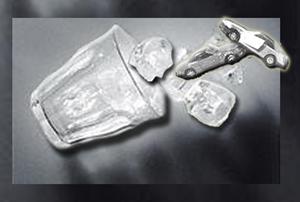
Don't drink and drive
Drinking or using drugs and then driving is a recipe for disaster - alcohol
is involved in almost half of all motor vehicle crashes that kill teens.
 If you or a
friend has had a drink, have another friend who has not been drinking drive you
home. Call a taxi or anyone else you trust instead of getting behind that wheel.
Careful planning and good judgment can save your life. If you or a
friend has had a drink, have another friend who has not been drinking drive you
home. Call a taxi or anyone else you trust instead of getting behind that wheel.
Careful planning and good judgment can save your life.
Drinking impairs judgment, affects coordination, and can cause confusion,
memory lapses, and blackouts.
Choose a safe, sensible vehicle
Safety is the most important thing to consider when buying a new or used car.
If you're in the market for a car, along with inspecting the engine and
transmission, the mechanic should also check the condition of the tires and
brakes, and other overall safety factors of the vehicle. Experts recommend that
you examine the car using an inspection check list. The National Highway Traffic
Safety Administration (NHTSA) keeps an online database of safety ratings for
cars and trucks made from 1990 to the present.
Stock your car for emergencies
It's always a good idea to stock your trunk with emergency supplies in case
of bad weather or mechanical problems. You might want to keep these items on
hand: a first-aid kit, blankets, a flashlight, a copy of your medical history, a
spare tire and jack, windshield wiper fluid, antifreeze, bottled water, a small
tool kit, an ice scraper, a set of jumper cables, and spare change to make a
phone call even you have a cellular phone with you..
Extra Health kit during pregnancy
Additions and substitutions to the usual travel health kit need to be made
during pregnancy and nursing. Talcum powder, a thermometer, oral rehydration
packets, multivitamins, an antifungal agent for vaginal yeast, acetaminophen,
insect repellent containing a low percentage of DEET, and sunscreen with a high
SPF (sun protection factor) should be carried. Women in their third trimester
may want to carry a blood pressure cuff and urine dipsticks to check for
proteinuria and glucosuria, both of which would require attention. Antimalarial
and antidiarrheal self-treatment medications should be evaluated individually,
depending on the traveler, her trimester, the itinerary, and her health history.
Most medications should be avoided, if possible.
|
