Postpartum depression is a serious condition
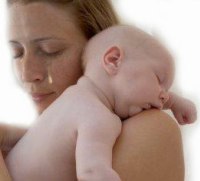 After having a baby, many women have mood swings. One minute they feel happy, the next minute they start to cry. They may feel a little depressed, have a hard time concentrating, have little appetite or find that they can’t sleep well even when the baby is asleep and they feel they need it the most. This is a natural reaction to stress and is experienced by more than half of new mothers. After having a baby, many women have mood swings. One minute they feel happy, the next minute they start to cry. They may feel a little depressed, have a hard time concentrating, have little appetite or find that they can’t sleep well even when the baby is asleep and they feel they need it the most. This is a natural reaction to stress and is experienced by more than half of new mothers.
If you're a new mother and the moodiness only lasts 2 -3 weeks and then goes away, it's commonly called the "baby blues" which usually start about 3 to 4 days after delivery. "The blues" are considered a normal part of early motherhood. However, some women have worse symptoms or symptoms last longer. This is called "postpartum depression."
What is postpartum depression?
Postpartum depression is an illness, like diabetes or heart disease. It can be treated with therapy, support networks and medicines such as antidepressants. Here are some symptoms of postpartum depression:
- Loss of interest or pleasure in life
- Loss of appetite or excessive eating and weight gain
- Less energy and motivation to do things
- A hard time falling asleep or staying asleep
- Sleeping more than usual
- Increased crying or tearfulness
- Feeling worthless, hopeless or overly guilty
- Feeling restless, irritable or anxious
- Feeling like life isn't worth living
- Having thoughts about hurting yourself
- Worrying about hurting your baby
Although many women get depressed right after childbirth, some women don't feel "down" until several weeks or months later. Depression that occurs within 6 months of childbirth may be postpartum depression.
The intensity of symptoms varies. Women who are depressed may feel withdrawn and unconnected to their baby, and the presence of severity delusional thoughts are symptoms that need immediate attention since these can be accompanied by psychotic "command hallucinations" to kill the baby.
Why do women get postpartum depression?
The hormone levels change during pregnancy and right after childbirth. After having a baby, it comes the time for major changes, the hormones and weight are rapidly readjusting. Those hormone changes, may produce chemical changes in the brain that play a part in causing depression. There may be new and stressful changes in relationships with other children, the father of the baby, parents and in-laws, colleagues at work, and friends. And of course, the new baby needs almost constant attention and feeding every two hours, resulting in sleep deprivation and not enough rest. All of these factors can contribute to postpartum mood swings.
The postpartum depression incidence and risk are higher if:
- Previous mood or anxiety disorders prior and during pregnancy, including depression with a previous pregnancy
- Severe premenstrual syndrome (PMS)
- A difficult marriage
- Few family members or friends to talk to or depend on
- You have a close family member who has had depression or anxiety.
- You are in your teens or over age 30
- The pregnancy was unwanted or unplanned
- Stressful life events during the pregnancy or after the childbirth, including illness, death or illness of a loved one, a difficult or emergency delivery, premature delivery, or illness or abnormality in the baby
- You currently abuse alcohol, take illegal substances, or smoke -- these are also serious medical health risks for the baby
Many women start experiencing some symptoms of postpartum depression even prior to the birth, if you have any of the risk factors, or with symptoms of depression and feel overwhelmed, there is no reason to wait and look for help. Notify your obstetrician or primary care provider immediately. Once depression is diagnosed, the woman will need to be followed closely for at least six months.
What kinds of treatments are available?
The treatment for depression after birth often includes medication, therapy, or a combination of both, also your doctor may recommend some classes, and/or participation in support groups. Fortunately, several anti-depressant medications may be given to breast-feeding mothers.
What can I do to help myself?
- Find someone to talk to--and tell that person about your feelings.
- Get in touch with people who can help you with childcare, household chores and errands. This social support network will help you find time for yourself so you can rest.
- Find time to do something for yourself, even if it's only 15 minutes a day. Try reading, exercising (walking is good for you and easy to do), taking a bath or meditating.
- Keep a diary. Every day, write down your emotions and feelings as a way of "letting it all out." Once you begin to feel better, you can go back and reread your diary--this will help you see how much better you are.
- Even if you can only get one thing done in any given day, this is a step in the right direction. There may be days when you can't get anything done. Try not to get angry with yourself when this happens.
- It's OK to feel overwhelmed. Childbirth brings many changes, and parenting is challenging. When you're not feeling like yourself, these changes can seem like too much to cope with.
- You're not expected to be a "super mom." Be honest about how much you can do, and ask other people to help you.
- Find a support group in your area.
You need Help! Talk with your doctor about how you feel. He or she may offer counseling and/or medicines that can help.
The March of Dimes is a national voluntary health agency whose mission is to improve the health of babies by preventing birth defects and infant mortality. Founded in 1938, the March of Dimes funds programs of research, community services, education, and advocacy to save babies. For more information, visit the March of Dimes Web site at www.marchofdimes.com or its Spanish Web site at www.nacersano.org
Publication of this article was supported by a community award from the March of Dimes
|
